ServicesSolar System Add-Ons
Solar System Add-Ons in South Jordan
Your solar system should grow with your home. We add panels, EV charging, electrical panel upgrades and monitoring, but only after reading your real usage and checking what your existing equipment can carry. You get the right addition, sized once and finished cleanly.
Adding to a System That Already Works
A solar system is sized for the home you had on the day it was designed. Then life changes. An electric vehicle arrives, someone starts working from home, a heat pump replaces the old furnace. The production that once covered most of your bill now covers less of it.
Before we suggest anything, we look at the cause. That means a year of utility data where you have it, your inverter's production history and a close look at your main electrical panel. Sometimes the answer is more panels. Sometimes it is a smarter way to use what you already produce. Occasionally the fix is simply a setting or a monitoring gap.
When the add-on involves storing energy for evenings or outages, we walk through our battery storage work as well, so the pieces are planned together instead of one at a time.
What Our Add-On Work Covers
- 01
System expansion
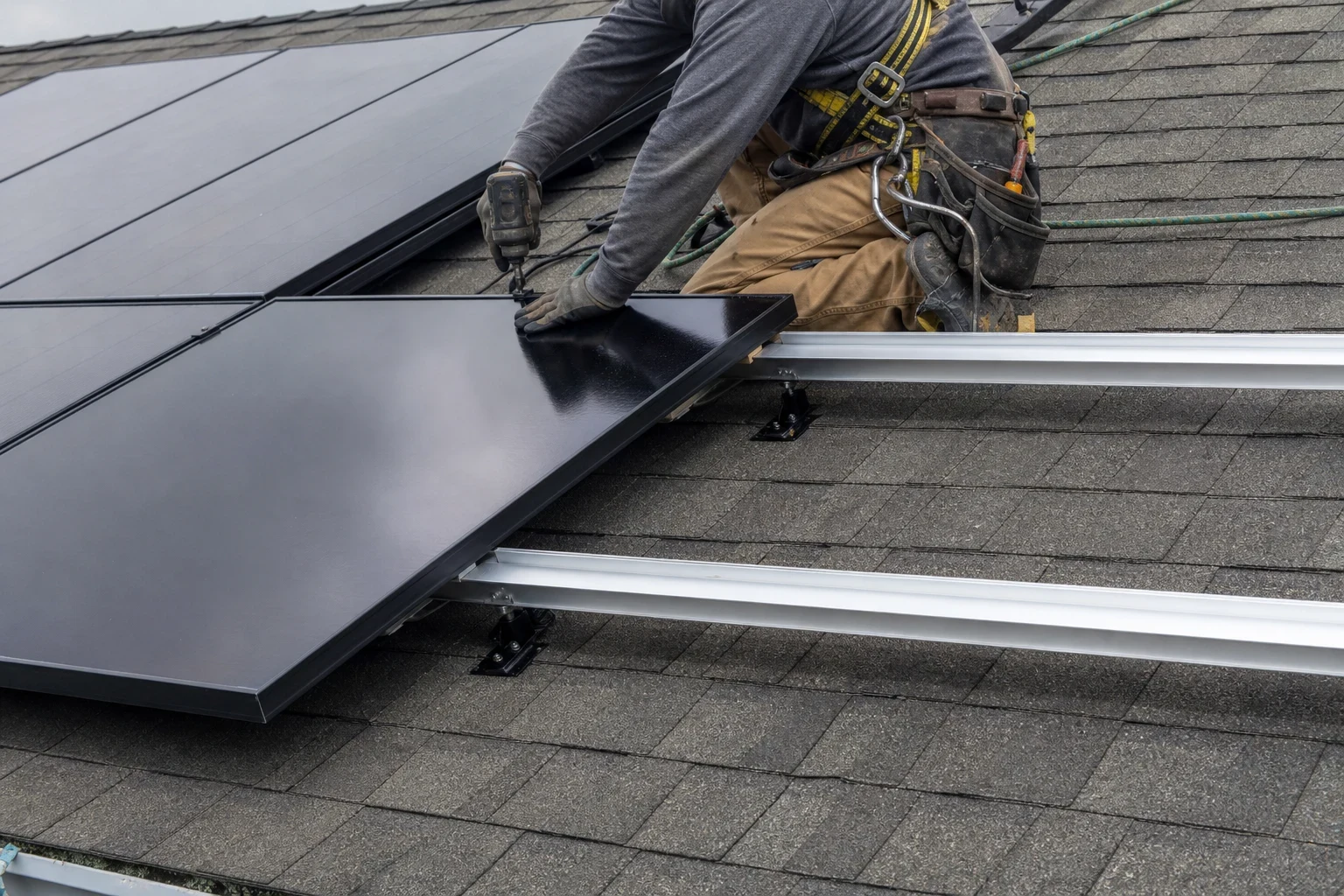
We add panels and match them to your existing inverter or microinverters. Mixing mismatched equipment quietly costs production, so we confirm compatibility before ordering anything.
- 02
EV charger circuit
A dedicated Level 2 charger circuit, run neatly and labeled at the panel. We size it to your vehicle and to the spare capacity your service actually has.
- 03
Main electrical panel upgrade
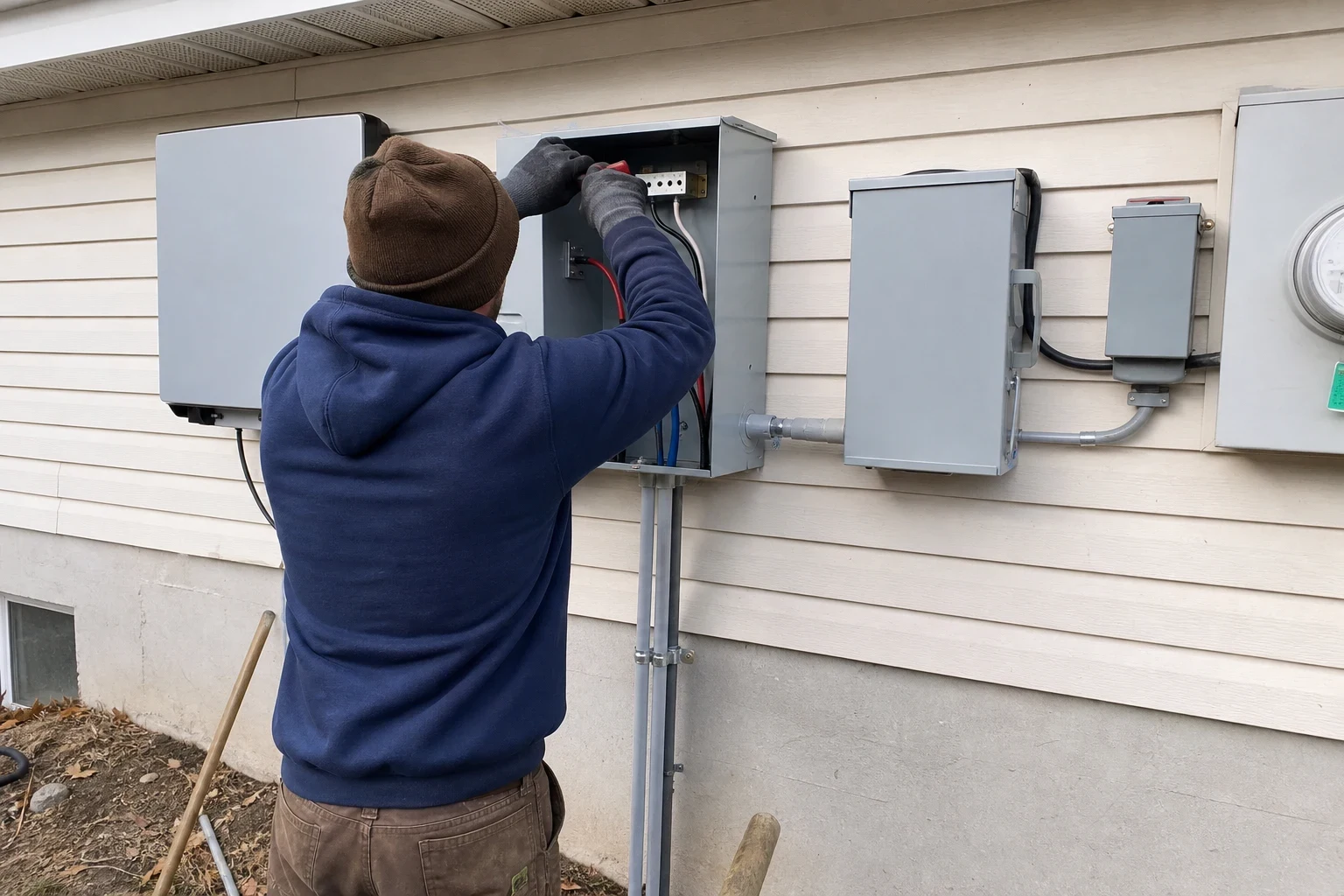
Many older panels have no room for another breaker or cannot accept more solar backfeed. We replace or upgrade the panel when the numbers call for it, and say so plainly when they do not.
- 04
Energy monitoring
Consumption monitoring shows what your home uses, not just what the array makes. Seeing both side by side is often the clearest way to spot where the power goes.
- 05
Groundwork for a future battery
Thinking about storage down the road? We can reserve panel space and run the wiring while we are already working, so adding a battery later does not mean undoing anything.
Questions about Solar System Add-Ons?
Call(801) 948-2173Signs Your System Is Ready for an Add-On
Your bill is creeping back up
Production looks normal, yet the bill keeps rising. That usually points to new loads in the house rather than a fault in the panels.
An electric vehicle is on the way
Overnight charging can add a large share to monthly use. Planning the charger and the extra production together keeps the math honest.
No room left in the breaker panel
If every slot is full or the panel is decades old, a new circuit may not be safe to add until the panel itself is addressed.
You cannot see what your home uses
Production-only monitoring leaves half the picture missing. Without consumption data, any recommendation is a guess.
Bigger electric loads are coming
A heat pump, hot tub or finished basement changes the load profile. Summer air conditioning already pushes afternoon use higher here, and new loads stack on top of it.
How an Add-On Project Runs
- 1
A conversation and your data
We start by phone or a free virtual appointment. You share recent utility bills and what has changed at home, and we pull production history from your monitoring if it is available.
- 2
An on-site look at the equipment
We inspect the inverter, the array and your main electrical panel. We note capacity, condition and labeling, and photograph what we find so you can see it too.
- 3
A written recommendation
You receive a line-item quote that explains why each item is there. If an add-on will not pay its way, we tell you that before you spend anything.
- 4
Permit, installation and cleanup
We pull the required permit and schedule the work. Power is off only for the connection itself, and we leave the work area swept and the panel clearly labeled.
- 5
Inspection and handoff
The new equipment stays off until it passes the city inspection and the utility approves the change. After we switch it on, we walk you through the monitoring app so the numbers read clearly from the first day.
What Moves the Price of Expanding Your System
Most of the price comes from the equipment already on your home, not the new piece being added. A modern breaker panel and an inverter with room to spare keep the job short. Older or mismatched gear means extra steps, and we name those in the written quote so nothing surfaces halfway through.
- Inverter compatibility
- If your string inverter is already at its limit, new panels may need a second inverter or microinverters on the added section.
- Electrical panel condition
- A full or undersized breaker panel can turn a simple new circuit into a panel upgrade. That is often the biggest swing in the final number.
- Length of the wiring path
- Each added foot between the new equipment and your main panel means more conduit, wire and labor. An EV charger in a detached garage, for example, takes more work than one mounted on the wall beside the panel.
- Permits and utility review
- Most expansions call for a permit and a revised interconnection application with the utility. Both add paperwork and some waiting time to the schedule.
Common Add-On Questions
My original system was put in by a different company. Can you still expand it?
In many cases we can. We begin by checking the inverter model, the specs on the existing panels and the paperwork from the first permit. If that equipment cannot take more panels without trouble, we lay out the alternatives before we put a number on anything.
Do I have to pay for an add-on up front?
We offer $0 up front. We go over the terms on the call so you know exactly how payment works before any work is scheduled.
Should I add more panels or a battery first?
It depends on when you use power and what you want to solve. More panels lower the bill; a battery shifts solar into the evening and covers outages. Looking at your hourly usage usually makes the order obvious.
Will I lose power during the work?
Only briefly, while the new equipment is tied into your main panel. We tell you the timing ahead of the day so you can plan around it.
Does my system still produce well in winter?
Production drops with shorter days and snow cover, which is normal. When we size an expansion, we use your full-year data so the added panels are judged on twelve months, not one good summer.
Plan Your Next Addition With Real Numbers
Tell us what has changed at home and we will compare it with what your system produces. You will know which add-on makes sense, and which ones to skip.